Molecular mechanisms of the MLL4 complex in H3K4 methylation and p53-dependent transcription activation
Molecular Cell
Transcription factors · Cofactors · RNA processing · Therapy resistance
The Zhang Laboratory investigates how transcription factors, cofactors, chromatin and RNA-processing systems are co-opted to create cancer-specific gene programmes—and why those programmes persist when therapies target the wrong molecular interface.
Regulatory precision emerges from cooperative molecular assemblies.
Transcription is not a single switch. It is an assembled system in which DNA-bound factors, cofactors, chromatin regulators, RNA polymerase and RNA-modifying machinery cooperate to determine which genes are expressed, at what strength and in what molecular form. The laboratory resolves these dependencies in breast cancer and glioblastoma to expose vulnerabilities that can be targeted more precisely.
Research programmes
We define how BRD4, Mediator and elongation machinery sustain oncogenic transcription when bromodomain inhibition fails.
Open programme ↗02We investigate how tumour cells enter, maintain or escape therapy-induced senescence through transcription-factor and cofactor control.
Open programme ↗03We study how m6A writing, erasure and recognition shape self-renewal, proliferation and invasive growth in glioblastoma stem-like cells.
Open programme ↗04We trace how extracellular signals are converted through chromatin regulators and transcription factors into durable malignant programmes.
Open programme ↗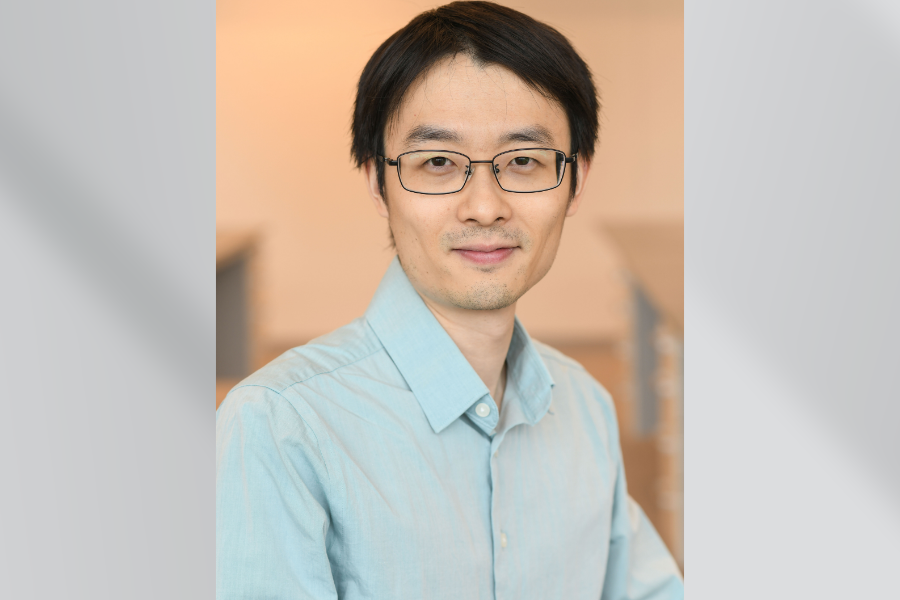 Transcription systems · principal investigator
Principal investigator
Selected work
Molecular Cell
Nature Structural & Molecular Biology
Nature Communications
Cancer Research
Join the laboratory